
Does Homeowners Insurance Cover Water Damage in Florida?
Often yes, when the water comes from a sudden and accidental event such as a burst pipe or a storm opening in the roof. Slow leaks, long-term seepage and flooding from rising water are commonly treated differently. Your policy wording decides, so report the loss early and ask your insurer or adjuster.
Water damage and not sure what your policy says? We can start drying while you call your insurer.
Call now, any hour(305) 542-5253What kind of water damage do policies usually cover?
Standard homeowners policies in Florida generally respond to sudden and accidental discharge of water, for example a supply line that fails, a water heater that bursts, or rain that enters after wind damages the roof. The policy usually pays for the damage and, depending on its terms, for reasonable steps to stop it from getting worse.
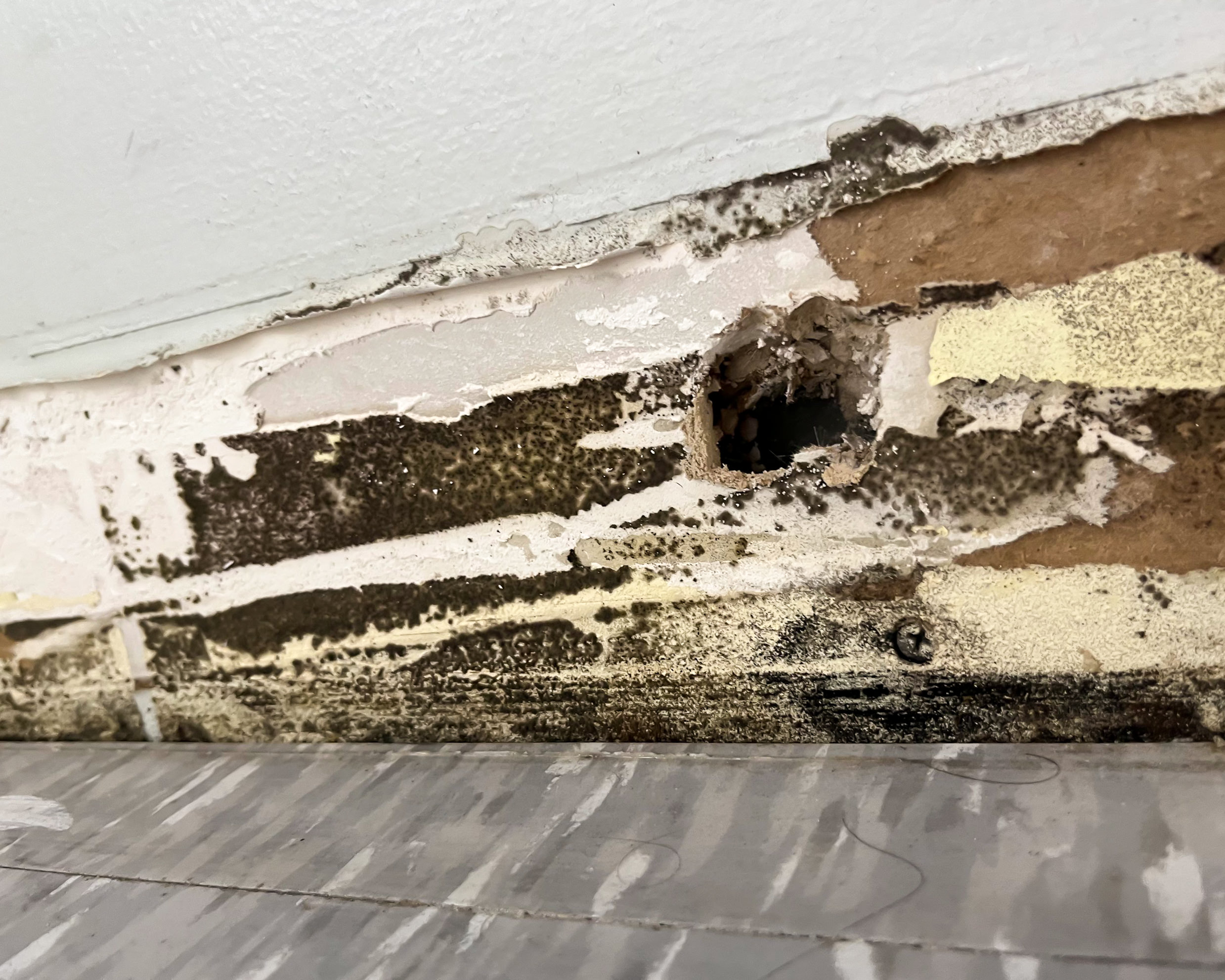
Policies commonly set limits or exclusions for damage that develops over time, such as a drip behind a wall that went unnoticed for months, or wear and tear on a pipe. Flood from rising water, including storm surge and canal overflow, is normally a separate coverage with its own policy. Some policies also cap what they pay for non-weather water damage or emergency drying, so ask about limits before work begins.
Every policy is worded differently, and endorsements change the picture. Treat this page as a general guide. Your insurer or adjuster is the one who decides what your policy covers.
How does a water damage claim work?
The order below is how most claims move. Your carrier may add steps of its own.
Stop the water and protect the property
Close the main valve if you can, and keep the area from getting worse. Policies generally expect you to take reasonable steps to limit further damage.
Report the loss to your insurer
Use the claim line or app on your policy documents. Florida sets deadlines for reporting a claim, and they have changed in recent years, so report promptly rather than waiting.
Get the drying started
Wet drywall, padding and framing do not wait for paperwork. A restoration crew can extract water and set drying equipment while the claim is being opened. Tell your insurer first, because some policies ask for notice or an inspection before repairs begin.
Meet the adjuster
The adjuster inspects the damage and reviews the cause. Share your photos, the moisture readings and the crew's scope of work so nothing is missed.
Review the estimate and the payment
Your insurer issues its decision and payment under the policy. If something looks left out, you can ask for it to be reviewed and send supporting documents.
What should I document before anything is moved?
Good records make the conversation with the adjuster easier.
- Wide and close photos of every wet room, including the ceiling, walls and floor.
- A short video walking through the damage, narrated with the date and time.
- The source of the water, if you can see it: a split hose, a failed fitting, a roof opening.
- A list of damaged belongings with what they were and roughly when you bought them.
- Receipts for anything you pay for to protect the property, such as emergency repairs.
- Names, dates and claim numbers from every call with your insurer.
What does Frontline do for the insurance side?
Frontline Restoration bills insurance companies where your carrier allows it. Your deductible and any work the policy does not cover stay with you. We document the loss with photos and moisture readings, write up the scope of work, and send that paperwork to your carrier.
We cannot promise what an insurer will pay. That decision belongs to the carrier and your policy. What we can do is make sure the damage is documented clearly and the drying is done properly, so the record supports your claim.
When to call us
Call (305) 542-5253 right away if any of these are true.
- Water is still spreading or standing on floors.
- The ceiling is sagging or stained and growing.
- Carpet or wood flooring is wet and you cannot dry it within a day.
- You smell something musty a day or two after the leak.
- You have opened a claim and want a crew on site before the adjuster arrives.
What happens when you call
- We answer at any hour and ask a few questions about the source, the rooms and whether the water is clean or contaminated.
- A crew comes out with extraction and drying equipment and checks for hidden moisture with thermal imaging.
- We explain the plan, write up the scope and photograph the work for your claim.
- We work with your insurer and keep you posted as the drying progresses.
Common questions
Does homeowners insurance cover water damage in Florida?
It can. Standard policies generally cover sudden and accidental water damage, like a burst pipe, but may exclude long-term leaks, wear and flooding from rising water. Your exact policy language controls, so report the loss quickly and ask your insurer or adjuster what applies to your situation.
What is the difference between sudden and long-term water damage?
Sudden damage happens quickly and unexpectedly, such as a pipe bursting overnight. Long-term damage builds slowly, such as a hidden drip that rots a wall over months. Policies often treat the two differently, which is why finding and documenting the cause matters when you file.
Will Frontline work with my insurance company?
Yes. Frontline Restoration works with insurance companies and handles the paperwork between our crew and your carrier. We document the damage with photos and moisture readings. We cannot promise what the insurer pays, because the policy and the adjuster decide that.
Should I wait for the adjuster before cleaning up?
Not for emergency steps. Water spreads, and mold can start in damp materials within about 24 to 48 hours. Take photos and video first, keep damaged materials if the adjuster asks to see them, and tell your insurer what emergency work you are doing, since some policies want notice before repairs begin.
Want a callback instead?
Send three quick answers. We will call you. For anything urgent, calling is faster.
Call now, any hour(305) 542-5253