
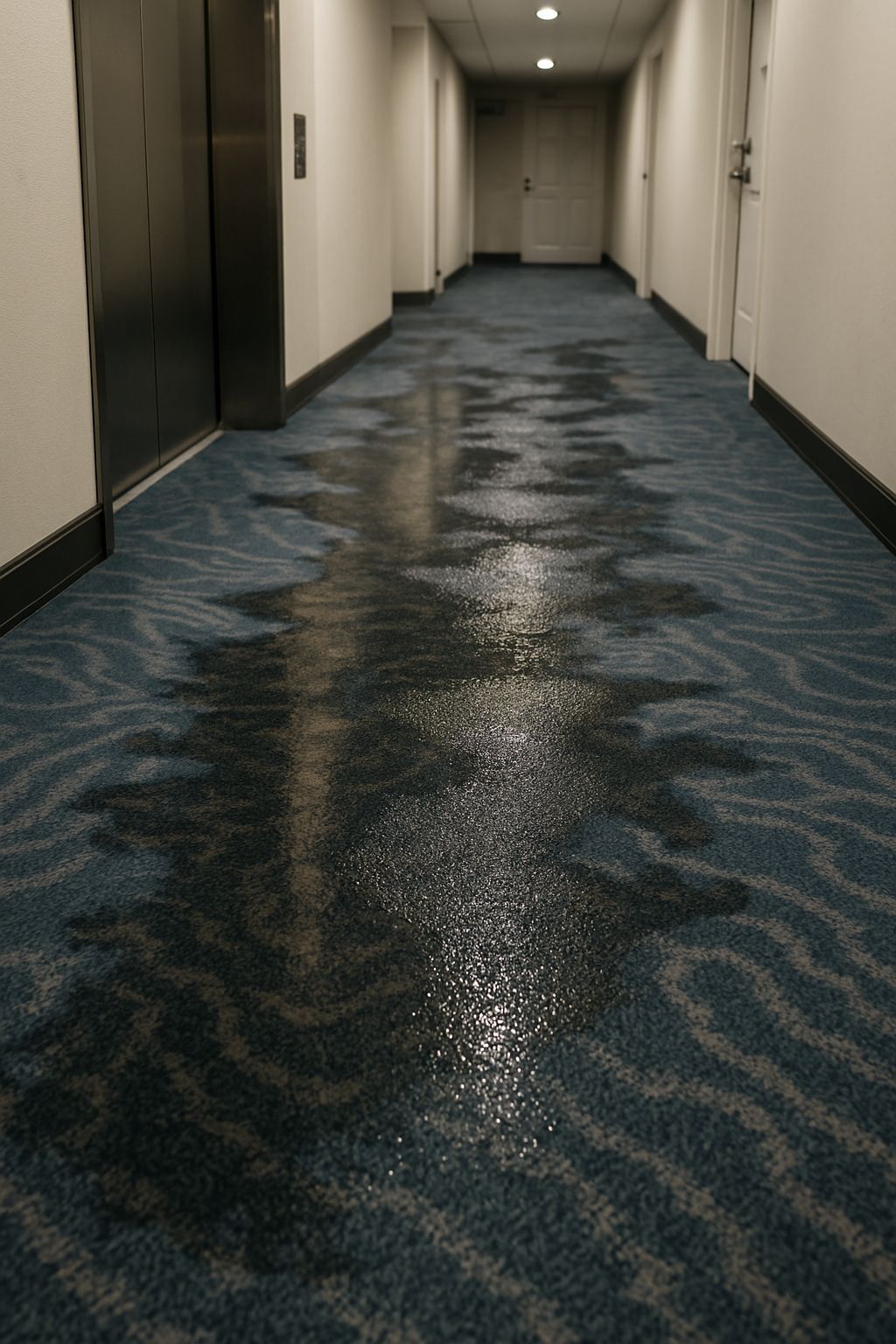
Flood Water Cleanup in Miami: Storm Surge, Canal and Street Flooding
Floodwater from storm surge, canals or overflowing streets is treated as contaminated, so avoid wading in it and keep children and pets out. Turn off power to wet areas, photograph the damage, and call a restoration crew. Porous materials soaked by floodwater usually have to be removed, not dried.
Water standing inside right now? Call us and we will tell you what to do while the crew is on the way.
Call now, any hour(305) 542-5253When to call
Call (305) 542-5253 any hour if you see any of these.
- Water from outside has entered your home, garage or business.
- The water is cloudy, has a smell or came from a drain, toilet or canal.
- Carpet, padding or drywall has been soaked.
- You cannot tell whether the electrical system is safe.
- You need a crew for several units, a condo building or a commercial space.
Why is floodwater different from a pipe leak?
Water from a supply line starts out clean. Floodwater does not. It picks up soil, sewage, fuel and chemicals from streets, yards and storm drains before it reaches your floors, and the restoration industry treats it as contaminated.
That changes the job. Surfaces that soak up water, such as carpet, padding, insulation and drywall, generally cannot be made safe again once floodwater has been in them and are removed. Hard surfaces can be cleaned and sanitized.
What to do until the crew arrives
Keep out of the water
Wear boots and gloves if you must go in. Keep children and pets away.
Cut the power to wet areas
Do not stand in water to reach a panel. If the panel is wet, leave it and call the power company or an electrician.
Lift what you can
Move furniture, electronics and papers to higher, dry spots. Do not use household appliances that stood in water.
Document everything
Photograph the waterline on walls and the damaged belongings. Include the date and time.
Check your coverage
Standard homeowners policies typically do not cover rising floodwater, which usually needs a separate flood policy. Ask your insurer or adjuster what you have.
What does flood cleanup involve?
Extraction
Pumps and vacuums remove the standing water so the structure can start to dry.
Removal
Wet carpet, padding and drywall that floodwater touched are cut out and bagged. Taking them out early limits odor and mold.
Drying
Air movers and dehumidifiers run until moisture readings show the framing and slab are dry. Thermal imaging shows where the water traveled.
Cleaning
Remaining surfaces are cleaned and sanitized before any rebuilding starts.
What about insurance?
Whether a flood is covered comes down to which policy you hold and what caused the water. Rising water from surge or canal overflow is generally a flood policy matter. Water that entered after wind opened the roof is a different question, and a homeowners policy may respond to it.
Frontline Restoration works with insurance companies where coverage applies, and documents the loss with photos and moisture readings either way. We do not promise claim outcomes.
What we do when you call
- Ask where the water came from, how deep it is and whether power is on.
- Send a crew with pumps, vacuums and drying equipment.
- Remove materials that cannot be saved, and dry and sanitize what can.
- Document the work and work with your insurer when a claim applies.
Common questions
Is floodwater safe to clean up myself?
It is not recommended. Floodwater from storm surge, canals or streets is treated as contaminated and can hide electrical and structural hazards. If you must enter, wear boots and gloves, keep children and pets out, and leave power off. A restoration crew has the equipment and protective gear for this work.
Can wet carpet and drywall be saved after a flood?
Usually not. Porous materials soaked by floodwater tend to hold contaminants and are typically removed rather than dried. Hard surfaces like tile and sealed concrete can often be cleaned and sanitized. A crew can check moisture levels and tell you what can stay.
Does homeowners insurance cover flooding in Miami?
Standard homeowners policies generally exclude rising floodwater, which is normally covered under a separate flood policy. Storm damage that opens the roof and lets rain in can be handled differently. Ask your insurer or adjuster which policy applies to your loss.
How long does flood cleanup take?
It depends on how much water came in and what it touched. Removal and extraction can happen the first day, and drying commonly takes several days while readings are checked. Your crew can give a realistic timeline after seeing the property and measuring moisture.
Want a callback instead?
Send three quick answers. We will call you. For anything urgent, calling is faster.
Call now, any hour(305) 542-5253